If you've noticed rough patches, visible pores or a bumpy surface when you look in the mirror, you're not alone. Uneven skin texture and enlarged pores are among the most common skin frustrations. They can make your complexion look dull, cause makeup to settle unevenly and leave you feeling less confident about your skin, especially when "glass skin" has set a new standard for flawless complexions.
Pores are normal and essential for your skin to breathe, release oil and regulate temperature. While you can't erase them, you can dramatically improve their appearance and your overall skin texture with a simple routine built on the right habits and treatments. SkinSpirit's detailed guide shows you how to minimize the appearance of large pores and achieve smoother, healthier skin.
What Causes Enlarged Pores and Uneven Texture?
Several factors work together to influence how your skin looks and feels, including traits you're born with, natural aging and the daily habits that shape your complexion over time.
1. Genetics
Your genetics determine your baseline pore size and skin type. If you have naturally oily skin, your sebaceous glands produce more oil, which means your pores are typically larger to accommodate that output. Similarly, if your parents had prominent pores, there's a strong likelihood you will too.
While you can't change your genetic blueprint, understanding this foundation helps you set realistic expectations and choose the most effective treatments for your skin.
2. Natural Aging
Collagen and elastin form the structural support system that keeps your skin firm and taut. As you age, your body produces less of these essential proteins, causing the skin around your pores to lose its firmness.
When that structural support weakens, pore walls can sag or slacken, making them appear larger and more noticeable. This natural decline typically accelerates in your 30s and continues progressively over time.
3. Chronic Sun Exposure
UV radiation is one of the most damaging environmental factors for your skin. Over time, sun exposure breaks down collagen and elastin fibers, which leads to wrinkles and contributes to loss of firmness around pores.
Research shows that sun exposure significantly degrades collagen, increasing the appearance of pores and creating uneven texture. This cumulative damage develops gradually, making daily sun protection essential for prevention.
4. Excess Sebum Production
Overactive oil glands can lead to a buildup of sebum (your skin's natural oils) on your skin's surface. When this excess oil combines with dead skin cells, it creates a sticky mixture that can clog pores and stretch them out. The more congested a pore becomes, the larger and more visible it appears.
Excess sebum production is particularly common in people with oily or combination skin types, especially in the T-zone, where oil production tends to be highest.
5. Improper Skin Care and Clogged Pores
Failing to cleanse properly, using comedogenic (pore-clogging) products or skipping exfoliation can all lead to debris becoming trapped beneath the surface. When oil, dirt, makeup and dead skin cells accumulate in pores, they create visible blockages that make pores look larger and create a bumpy, uneven texture.
This buildup can make your skin appear more textured. It can also trigger inflammation and breakouts if left unaddressed.
6. History of Acne
Inflammatory acne, especially cystic acne or lesions that have been picked or squeezed, can cause lasting trauma to the pore and surrounding tissue. This damage can lead to permanent changes in skin texture, including sunken, pitted (atrophic) scars that create depressed areas on the skin's surface or pores that remain permanently stretched long after the acne has cleared.
The severity and duration of acne often determine the extent of these lasting textural changes.
How Can You Improve Skin Texture at Home?
.png)
Building a consistent at-home skin care routine is your first and most important line of defense for improving skin texture. Daily habits like proper cleansing, sun protection and skin hydration are the foundation for healthier, smoother skin.
1. Adopt a Consistent Cleansing Routine
Washing your face every morning and evening is one of the simplest yet most impactful steps you can take. Proper cleansing removes the daily buildup of makeup, excess oil, dirt and environmental pollutants that settle into pores and cause congestion.
When these impurities pile up, they stretch pores and create textural irregularities that make your skin look rough and uneven. They also cause acne, which contributes to uneven texture.
Choose a gentle cleanser that effectively removes debris without stripping your skin's natural moisture barrier. If you wear makeup or sunscreen, consider double cleansing in the evening, starting with an oil-based cleanser to break down products, followed by a water-based cleanser to remove remaining impurities.
2. Incorporate Regular Chemical Exfoliation
Chemical exfoliants work by dissolving the bonds that hold dead skin cells to the surface, revealing fresher, smoother skin underneath. Unlike physical scrubs that can cause micro-tears, chemical exfoliants offer controlled, even results.
The right exfoliant depends on your specific skin type and concerns:
· Beta-hydroxy acids (BHAs): Oil-soluble acids like salicylic acid penetrate deep into pores to clear out congestion, making them ideal for oily and acne-prone skin.
· Alpha-hydroxy acids (AHAs): Water-soluble acids like glycolic, mandelic and lactic acid work on the skin's surface to smooth texture and improve radiance. Mandelic and lactic acid are gentler options that work well for sensitive skin or deeper skin tones.
· Polyhydroxy acids (PHAs): Gentle exfoliants like gluconolactone, lactobionic acid and galactose with larger molecules improve texture, tone and hydration without causing irritation. They're ideal for sensitive, dry or rosacea-prone skin, as they also strengthen the skin barrier.
Your exfoliation schedule depends on your skin type, the acids you're using, their strength and the rest of your routine. Some people benefit from exfoliating once or twice weekly, while others can tolerate up to four times per week. Daily exfoliation is not recommended, as it can compromise your skin barrier and lead to irritation.
3. Use Topical Retinoids
If you're looking for a straightforward answer on how to improve your skin texture, start using a retinoid and stick with it. Retinoids are considered the gold-standard ingredient for skin renewal. These vitamin A derivatives speed up skin cell turnover and stimulate collagen production. This dual action helps clear pores and firm the skin, improving texture and the appearance of pores over time.
With so many options available, starting a topical retinoid can be overwhelming. Here's how you can introduce retinoids for maximum benefits while minimizing the initial six- to 12-week purging phase commonly known as the “retinol uglies”:
· Start with over-the-counter (OTC) retinols: Use retinol serums from reputable brands, gradually building tolerance as you move up in strength. When you no longer notice results from retinols, you can transition to low-strength retinal (retinaldehyde), which is a stronger OTC vitamin A derivative, and slowly move up in strength.
· Use adapalene: This acne-specific retinoid provides excellent results, with some people reporting less irritation than with a prescription retinoid. Use it a couple of nights per week and build tolerance for nightly use to get maximum benefits.
· Begin with low-strength prescription retinoids: Start using tretinoin at 0.01% or tazarotene at 0.045% a couple of nights per week and build tolerance to using it nightly before increasing strength if needed.
· Try the sandwich method: You can reduce irritation by creating a buffer between the retinoid and your skin. Apply moisturizer, then retinoid, then moisturizer again until you build tolerance to apply retinoid directly.
Whichever method you opt for, use retinoids only at night, as they can increase sun sensitivity. Consult a dermatologist to ensure you're using the right strength and method to avoid damaging your skin barrier, which can worsen texture.
4. Prioritize Daily Sun Protection
Applying a broad-spectrum sunscreen is the most effective way to prevent collagen breakdown, protecting your skin from future textural damage and pore enlargement. Look for an option with at least SPF 30 for UVB protection and a high PA rating for UVA protection.
There are two main types of sunscreen to consider:
Chemical sunscreens: They feature organic or inorganic filters that absorb UV rays and convert them into heat, which is then released from the body. They don't leave a white cast, making them ideal for deeper skin tones.
Physical sunscreens: They contain mineral filters like zinc oxide and titanium dioxide. Physical sunscreens are soothing due to the zinc oxide, making them ideal for acne-prone or sensitive skin. While old technology may leave a white cast, newer technologies are much more refined. Some are tinted to mitigate the white cast, but many of the no-show mineral sunblocks in the color science brand are almost undetectable.
Both types come in tinted versions, though this is more common for mineral sunscreens to help mitigate the white cast. Tinted sunscreens feature iron oxides that protect against visible light, including blue light and UVA/UVB rays, preventing hyperpigmentation, melasma and photoaging. They're highly effective for reducing pigment-related issues in deeper skin tones.
5. Maintain Skin Hydration
Well-hydrated skin looks smoother and more even, giving the "glass skin" effect. Proper hydration can also help balance sebum production, which can help improve the appearance of pores in oily skin.
To ensure adequate hydration, look for moisturizers or toners with humectant ingredients that draw moisture into the skin, like:
· Hyaluronic acid
· Glycerin
· Aloe vera
· Urea
· Honey
· Propolis
· Glycols
· Panthenol
· Sodium PCA
If you have dry skin or during winter months, your skin may benefit from moisturizers with emollients like ceramides, rosehip oil and argan oil to seal in hydration. For severely dry skin or very cold, dry climates, occlusives like petrolatum jelly, beeswax and mineral oil help lock in moisture.
What Professional Skin Treatments Can Address Pores and Texture?
.png)
While at-home care is foundational, professional skin treatments like chemical peels, microneedling and laser resurfacing offer more significant and targeted results for improving texture and minimizing pores. These advanced options penetrate deeper than topical products, addressing concerns that don't respond to surface-level care.
1. Chemical Peels
A chemical peel is a professional resurfacing treatment where a specialized acid solution is applied to the skin to remove damaged outer layers and stimulate cell turnover, revealing smoother, more radiant skin beneath.
Trained, licensed skin specialists customize the strength and formulation of chemical peels to target specific concerns. Common options for improving texture include:
· Medium peels: These penetrate the epidermis and upper dermis to treat wrinkles, acne scars and moderate skin discoloration. They often result in redness and swelling, requiring one to two weeks of recovery.
· Deep peels: These intensive treatments fully penetrate the middle skin layer to treat deep wrinkles, severe sun damage and extensive scarring. Deep peels produce dramatic, long-lasting results but require two to three weeks of downtime. They are performed under sedation with medical monitoring.
2. Microneedling
Microneedling is a collagen-induction therapy that uses a specialized tool with ultrafine, medical-grade needles. These needles create shallow puncture wounds in a controlled pattern across your skin. While this might sound uncomfortable, most people tolerate it well with a topical numbing cream.
Your skin interprets these microscopic injuries as signals to start repairing itself, which means ramping up collagen and elastin development. The result is firmer, smoother and more even-toned skin.
For more pronounced skin texture issues, radiofrequency (RF) microneedling, like Morpheus8, is ideal. It combines micro-injuries that stimulate collagen with the delivery of radiofrequency energy deep into the dermis. The heat from RF energy causes additional controlled damage, which improves collagen remodeling and skin tightening.
Most people see progressive improvement over several months as new collagen develops, with optimal results typically requiring a series of three to six treatments spaced four to six weeks apart.
3. Laser Resurfacing
Laser resurfacing skin treatments use concentrated beams of light energy to improve the skin's surface and stimulate collagen production. You can choose from three common types of laser treatments for uneven texture and pores:
· Ablative: Ablative lasers, like carbon dioxide (CO2) lasers, remove the outer layer of skin entirely. They deliver major results for severe texture issues, but require a longer recovery time.
· Non-ablative: These lasers heat the underlying tissue without removing the surface layer, offering gentler improvement with minimal downtime.
· Hybrid: Lasers like HALO combine both ablative and non-ablative wavelengths to deliver comprehensive results for tone, texture and pores with managed downtime.
4. BOTOX® Injections
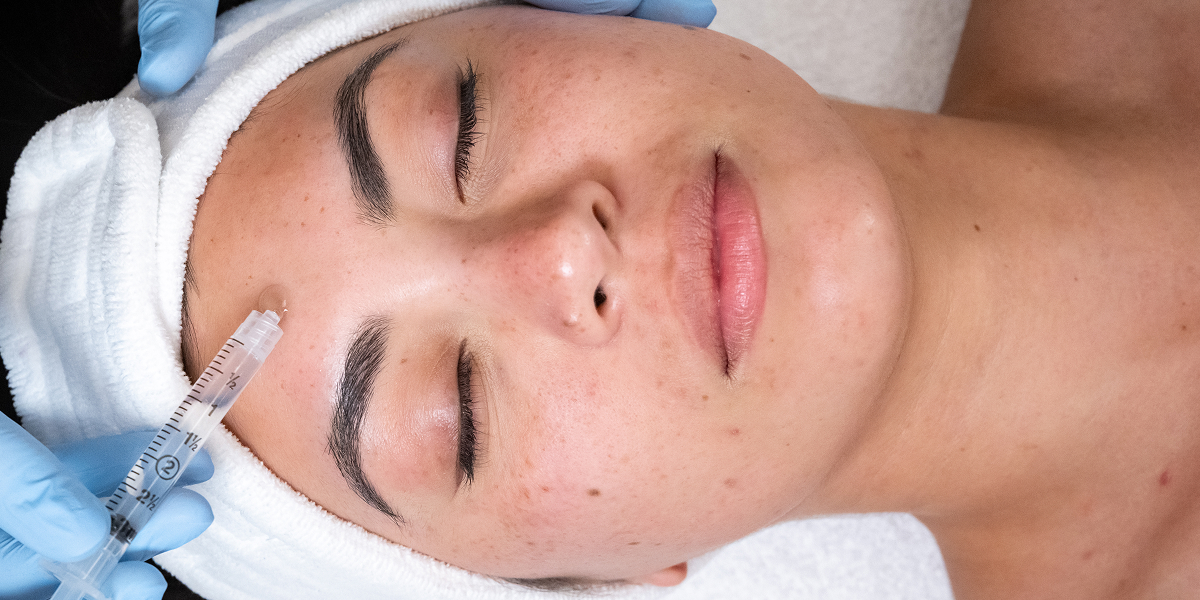
Beyond its well-known use for minimizing wrinkles, neuromodulator injections like BOTOX® can also improve texture through specialized techniques. The "Microtox" or "Baby BOTOX®" approach involves injecting tiny amounts into the superficial layers of the skin rather than into deeper muscles.
This technique can help control oil production by temporarily reducing the activity of sebaceous glands. It can also relax the tiny muscles attached to pores, making them appear smaller and creating a smoother skin surface. Results are subtle and temporary, typically lasting three to four months.
How Do You Choose the Right Treatment?
There is no single "best" treatment for everyone when it comes to minimizing pores and improving texture. The right choice depends on a combination of factors, including:
1. Your skin type: You need to determine if your skin is oily, sensitive, dry, acne-prone or combination to find the right products. Additionally, some skin treatments can be more harmful than helpful for deeper skin tones. You'll need to consult a professional with direct, recurring experience with your skin tone.
2. The reasons for your uneven texture and pore concerns: Your uneven texture can be caused by acne scarring, excessive oil production, age or even infected hair follicles (folliculitis). Each reason requires a different treatment approach.
3. Budget: Skin treatments can be pricey, and you can't do them just once. You must decide how much you can invest in your skin to determine the best treatment option that will give you results without breaking your wallet.
4. Tolerance for downtime: Some treatments require days or weeks of recovery, while others have minimal social downtime. If you don't mind staying indoors for long or have a high tolerance for strange looks, you may opt for more intense treatments.
The only way to determine the safest, most effective treatment plan is to consult a qualified and experienced medical provider. During this consultation, they can perform a thorough skin assessment, discuss your goals and concerns and recommend a personalized approach that considers all these factors.
How Can You Maintain Long-Term Results?
You can maintain your smooth, even skin texture through small daily habits like sun protection and good sleep, as well as routine professional maintenance sessions. Achieving smooth skin is one part of the journey, but maintaining those results requires a long-term, strategic commitment.
1. Commit to Daily Sun Protection
Daily, consistent use of a broad-spectrum sunscreen is the single most important habit for maintaining skin health. It is your number-one tool for preserving the collagen you've built through treatments and preventing the damage that would reverse your progress.
2. Simplify Your Skin Care Routine
After investing in professional treatments, it's often best to focus on a core maintenance routine. A gentle cleanser, a targeted treatment serum if recommended, a retinoid, a functional moisturizer and daily SPF are your core routine. Over-exfoliating or using too many products at once can compromise your skin's protective barrier, undoing the progress you've made.
3. Adopt Healthy Lifestyle Habits
Your lifestyle choices support and enhance your skin health. Focus on hydration and eating a balanced, nutrient-rich diet to provide your skin with the building blocks it needs for repair and regeneration. Managing stress helps regulate hormones that can trigger oil production and inflammation. Ensure you get adequate sleep so your body can complete its natural repair processes.
4. Schedule Professional Maintenance
Many professional treatments deliver the best long-term outcomes with an initial series of sessions followed by periodic maintenance treatments. A maintenance plan, such as a facial or peel every few months, helps you stay ahead of texture concerns and keeps your skin functioning optimally. Your provider can recommend a maintenance schedule tailored to your skin's specific needs and how it responds to treatment.
Your Path to Smoother, Healthier Skin
Improving your skin texture and minimizing the appearance of enlarged pores starts with understanding what's causing these concerns in the first place. From there, a consistent routine built on proven ingredients like exfoliants, retinoids and daily sunscreen creates the foundation for visible, lasting improvement. When at-home care isn't enough, professional treatments offer more targeted solutions to address deeper texture issues and stubborn pores.
The key is finding the right combination for your unique skin type, concerns and lifestyle. For the most effective results, seek guidance from a qualified skin care professional. They can assess your skin and recommend the best combination of at-home habits and professional treatments tailored to your goals.
Related Posts