Facial balancing is one of the most thoughtful, customized approaches in modern aesthetics. Rather than focusing on a single line or feature, facial balancing looks at the face as a whole, creating harmony, symmetry and proportion for natural-looking results that still feel like you.
At SkinSpirit, facial balancing is never one-size-fits-all. It’s a strategic, provider-led process designed to enhance your unique features while preserving facial movement, expression and individuality.
What Is Facial Balancing?
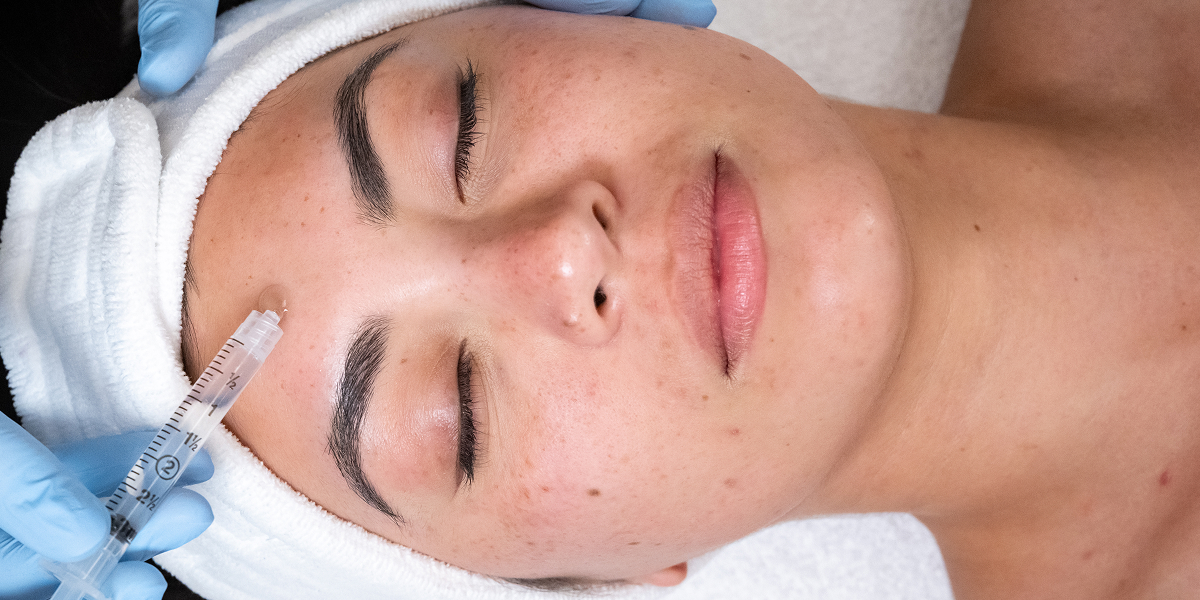
Facial balancing is a comprehensive aesthetic approach that uses injectable treatments — such as BOTOX® Cosmetic, Dysport®, dermal fillers and biostimulatory injectables like Sculptra® — to restore facial balance.
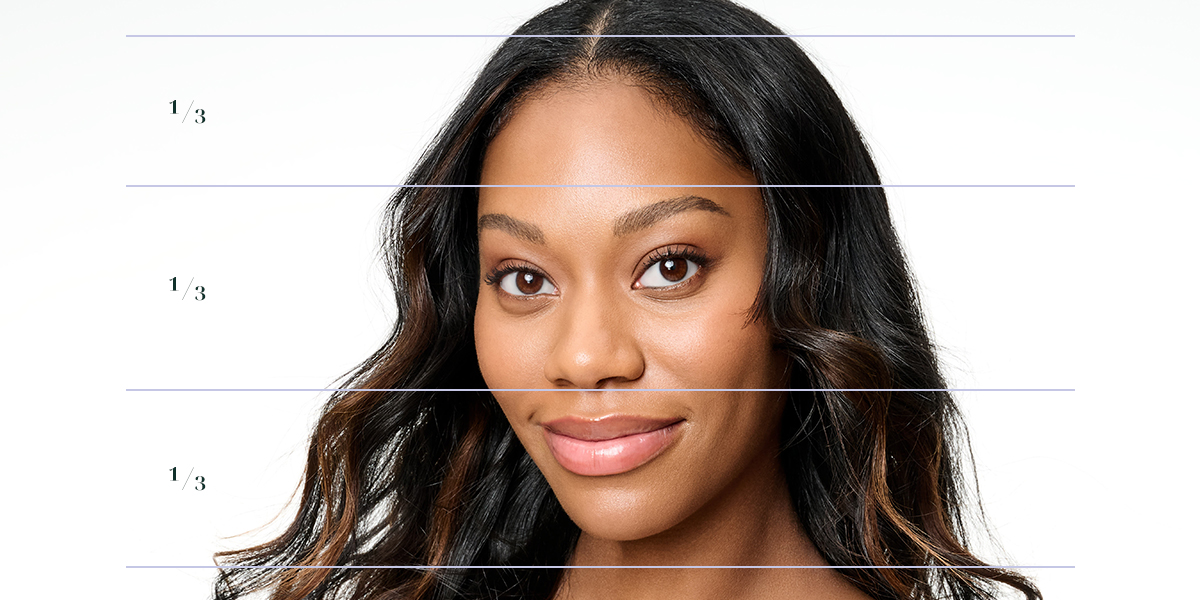
Instead of treating isolated concerns, your provider evaluates how different facial features relate to one another. Subtle adjustments in one area often improve the appearance of another, leading to a more cohesive, refreshed look.
The goal isn’t transformation — it’s refinement. Facial balancing supports symmetry, softens visual imbalances and enhances your natural facial structure without overcorrecting.
How Facial Balancing Works
Every facial balancing treatment at SkinSpirit begins with a complimentary consultation. During this visit, your provider carefully assesses facial proportions, muscle movement, skin quality and how your features interact both at rest and in motion.
Based on this evaluation, a customized plan may include:
- Fillers to enhance structure, contour or support specific areas.
- Neurotoxins to relax muscles that contribute to lines and collagen breakdown.
- Biostimulatory treatments that work with your body to stimulate its own collagen production.
Often, the best results come from combining treatments rather than relying on a single injectable. This layered approach allows for precision, longevity and beautifully natural outcomes.
Benefits of Facial Balancing
Facial balancing offers benefits beyond smoothing lines or enhancing a single feature. Clients often love this approach because it delivers results that feel elevated but not obvious.
Key benefits include:
- Improved facial symmetry and proportion.
- A more refreshed, rested appearance.
- Enhanced natural features without overcorrection.
- Smoother transitions between facial areas.
- Results that evolve gracefully over time.
Who Is a Good Candidate?
Facial balancing is ideal for a wide range of clients. You may be a good candidate if you:
- Feel that certain features look out of balance with others.
- Want natural-looking results rather than dramatic change.
- Are interested in preventive aging strategies.
- Want to enhance your features while maintaining facial expression.
There’s no “perfect age” for facial balancing. Some clients begin in their 20s or 30s as a preventive approach, while others start later to support balance and symmetry as facial structure changes over time.
Why Provider Expertise Matters
Facial balancing is both an art and a science. At SkinSpirit, treatments are performed by highly trained medical providers who specialize in facial anatomy and aesthetic outcomes.As Dr. Shridharani says, “Ultimately, the goal is to have someone look like the most natural and best version of themselves.” That’s an “after” we can get behind.
SkinSpirit’s commitment to advanced training, ongoing education and provider-led treatment planning ensures every facial balancing plan is safe, precise and fully customized. Medical-grade skincare is also an essential part of the process, supporting skin health and optimizing results.
Facial Balancing at SkinSpirit

At SkinSpirit, facial balancing is about confidence, harmony and results that feel authentic to you. With expert providers, complimentary consultations and personalized treatment plans, SkinSpirit makes it easy to explore facial balancing in a supportive, elevated environment.
If you’re curious about facial balancing, book a free consultation and discover how minor, thoughtful adjustments can make a beautifully balanced difference.
Related Posts