Reviewed By: Cara Dove, RN - VP of Nursing
Unwanted hair is a common concern, and many of us want a lasting solution beyond constant shaving or waxing. Permanent hair removal methods offer a way to reduce or eliminate regrowth over time, using science-backed techniques that target hair at the root.
Discover how top treatments work, who they're ideal for and what to expect in this guide from SkinSpirit, so you can confidently choose the best option for you.
Hair Removal Solutions at a Glance
- Permanent hair removal techniques target hair follicles during active growth phases, requiring multiple sessions for lasting results.
- Electrolysis delivers true permanent removal and works on all hair and skin types.
- Laser and intense pulsed light (IPL) hair removal offer long-term reduction and can treat larger areas quickly.
- Choosing a qualified provider improves safety, results and your overall experience.
Understanding Permanent Hair Reduction vs. Removal

To set realistic expectations for your hair removal journey and choose the most suitable treatment, it's crucial to understand two key terms:
- Permanent hair removal: The complete destruction of the hair follicle so it cannot produce hair again.
- Permanent hair reduction: A long-term decrease in the number and thickness of hairs that regrow after treatment.
Different methods can be used to target hair on the arms, legs, bikini line, underarms, stomach, back, neck, face and more. Hair removal and reduction treatments require multiple sessions. Hair growth follows a cycle with three main phases:
- Anagen: The active growth phase.
- Catagen: The transitional phase.
- Telogen: The resting phase.
Only hairs in the anagen phase connect directly to the follicle's growth cells. Treatments work best during this phase because the follicle is most vulnerable then. Consistency and timing play a major role in achieving lasting results — not all hairs are in the same phase at a single time.
Electrolysis
Electrolysis is the only recognized and most effective method for permanent hair removal. It has been used for decades and remains a reliable option for anyone wanting precise, lasting results.
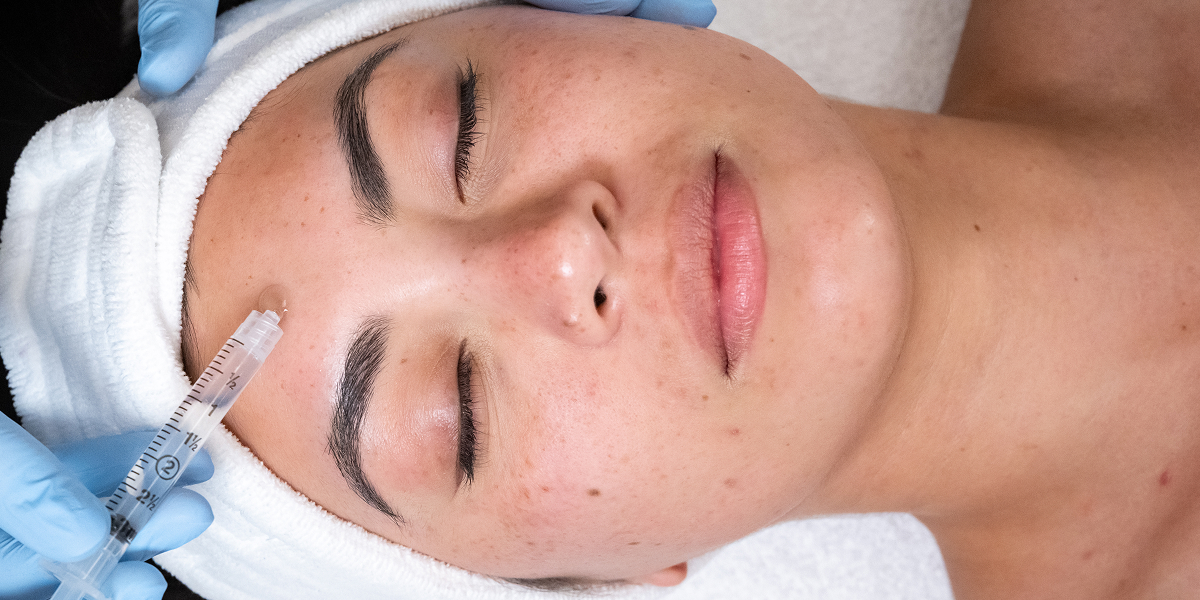
Electrolysis targets the follicle itself, not the pigment or surface hair. The process uses a very fine probe inserted into each individual hair follicle. The probe delivers a controlled electrical current that damages the follicle's growth cells. This process stops the follicle from producing new hair.
Each hair is treated individually, making the method highly accurate, especially for shaping or clearing small areas.
Pros and Cons
Electrolysis offers several advantages. It works on all hair colors, including blonde, gray and red hair that other methods cannot target. It is also effective across all skin tones, making it widely accessible.
The trade-offs relate to time and cost. Because each follicle is treated individually, sessions can take longer, especially on larger areas like backs or legs. You'll need multiple appointments, and the total cost can add up over time.
Some people also report mild discomfort during treatment. Sensitivity varies by areas and individual tolerance, but modern techniques and numbing options help manage this.
Ideal Candidates
This hair removal method suits those who want precise, truly permanent results and are willing to commit to a series of focused sessions.
It works exceptionally well for anyone with light-colored, gray, red or blonde hair that does not respond to laser treatments, as electrolysis targets the follicle directly regardless of pigment.
It's also a strong choice for smaller areas, such as eyebrows, the upper lip, the hairline or scattered facial hairs, where meticulous accuracy is paramount. Individuals experiencing hormonal hair growth often find electrolysis to be the most effective long-term solution.
Laser Hair Removal
Laser hair removal is one of the most popular options for reducing unwanted hair. It covers larger areas efficiently and delivers long-lasting results when done correctly.
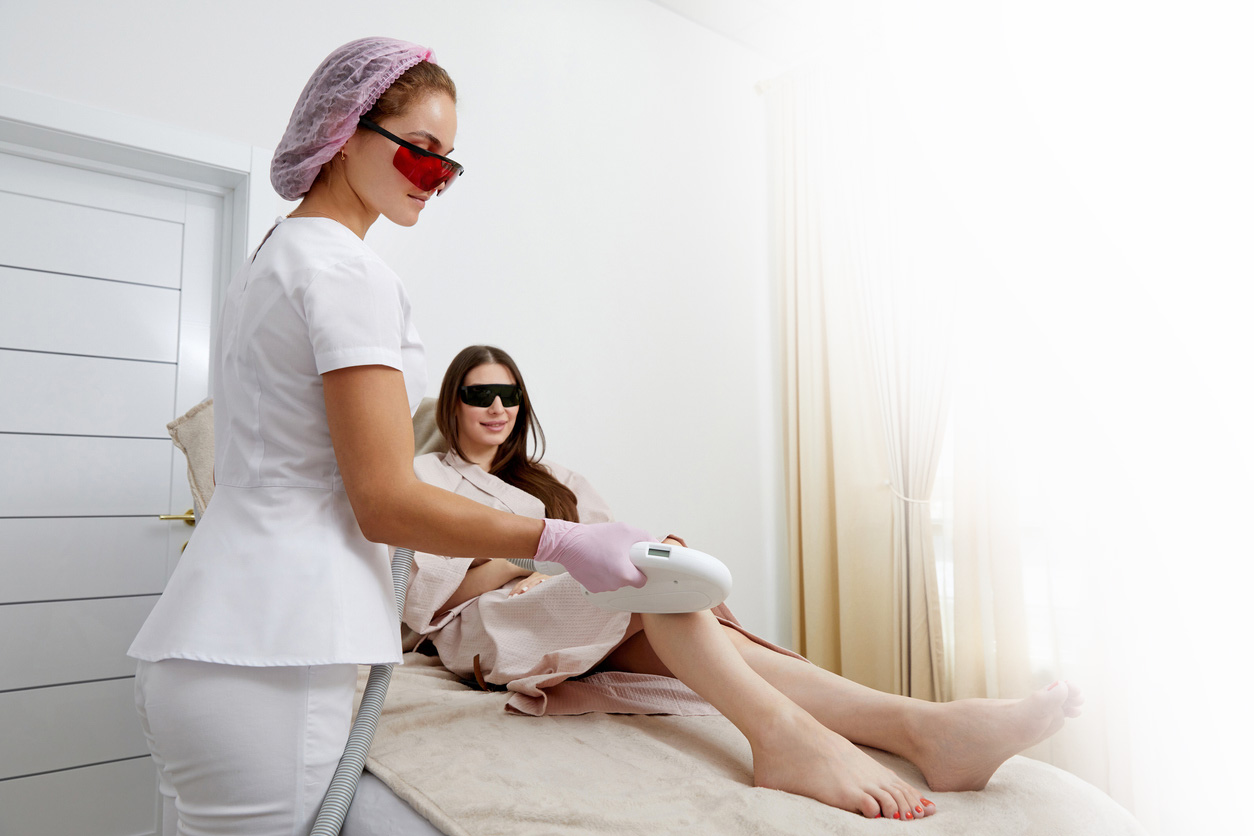
This process uses concentrated light energy to target pigment in the hair. The light is absorbed by melanin, the pigment that gives hair its color. This energy converts to heat, which damages the follicle and slows future growth. The scientific term for this process is selective photothermolysis. It means the laser selectively heats and destroys the hair follicle while minimizing impact on surrounding skin.
Because the laser relies on pigment, darker hair absorbs more energy and responds better to treatment. The follicle becomes less able to produce strong, visible hair over time.
Pros and Cons
Laser hair removal balances efficiency with limitations. The process significantly reduces hair growth over time while also lessening ingrown hairs. Sessions are spaced out, making it manageable for busy schedules. Many people already see a 10% to 25% reduction in hair after the first treatment, and most patients need eight to ten laser treatments to achieve the best results.
However, the results are classified as a reduction rather than a complete removal. The laser is also less effective on light, gray or red hair and needs multiple sessions with occasional maintenance. It is also not recommended for those prone to excessive scarring, keloids or with active acne.
Technological advances have improved laser safety for a wider range of skin tones, but results still depend on the contrast between hair and skin.
Ideal Candidates
Darker, coarser hair on lighter skin generally responds best to laser hair removal, as the contrast allows the laser to target pigment most effectively.
However, advancements in laser technology mean that individuals with a broader range of skin tones can now safely and effectively undergo treatment. It is an excellent option for those looking to significantly reduce hair across larger areas such as the legs, back, chest or underarms, valuing the efficiency of fewer sessions compared to electrolysis.
This method is also highly beneficial for individuals prone to razor burn, folliculitis or ingrown hairs from traditional shaving or waxing methods.
Intense Pulsed Light
Intense pulsed light offers another approach to reducing unwanted hair. It is often compared to laser hair removal, but it works differently. IPL devices emit broad-spectrum light spanning multiple wavelengths. This light gets absorbed by melanin in the hair, similar to laser treatment. The energy then converts to heat, damaging the follicle and slowing future growth.
Because the light is less focused than a laser beam, IPL covers larger areas but with less precision.
Pros and Cons
IPL offers flexibility, treating larger areas quickly and may feel less intense than some laser treatments.
It also comes with trade-offs. It's less targeted than laser removal, which can affect effectiveness. Results vary depending on the device quality and professional technique, and you need consistent sessions to maintain results.
Ideal Candidates
IPL works best for people with light to medium skin tones and darker hair, similar to laser, as it also relies on pigment absorption.
It is often chosen by those who prefer a gradual hair reduction process and are comfortable with the need for consistent, periodic maintenance sessions to sustain results.
Due to its broad-spectrum light, IPL is particularly suited for treating larger areas where general hair thinning and reduction are desired, rather than highly precise hair removal. It can be a more accessible or less intense entry point for individuals exploring light-based hair reduction.
Factors to Consider When Choosing a Hair Removal Method
Selecting the right permanent hair removal method involves careful consideration of several personal factors:
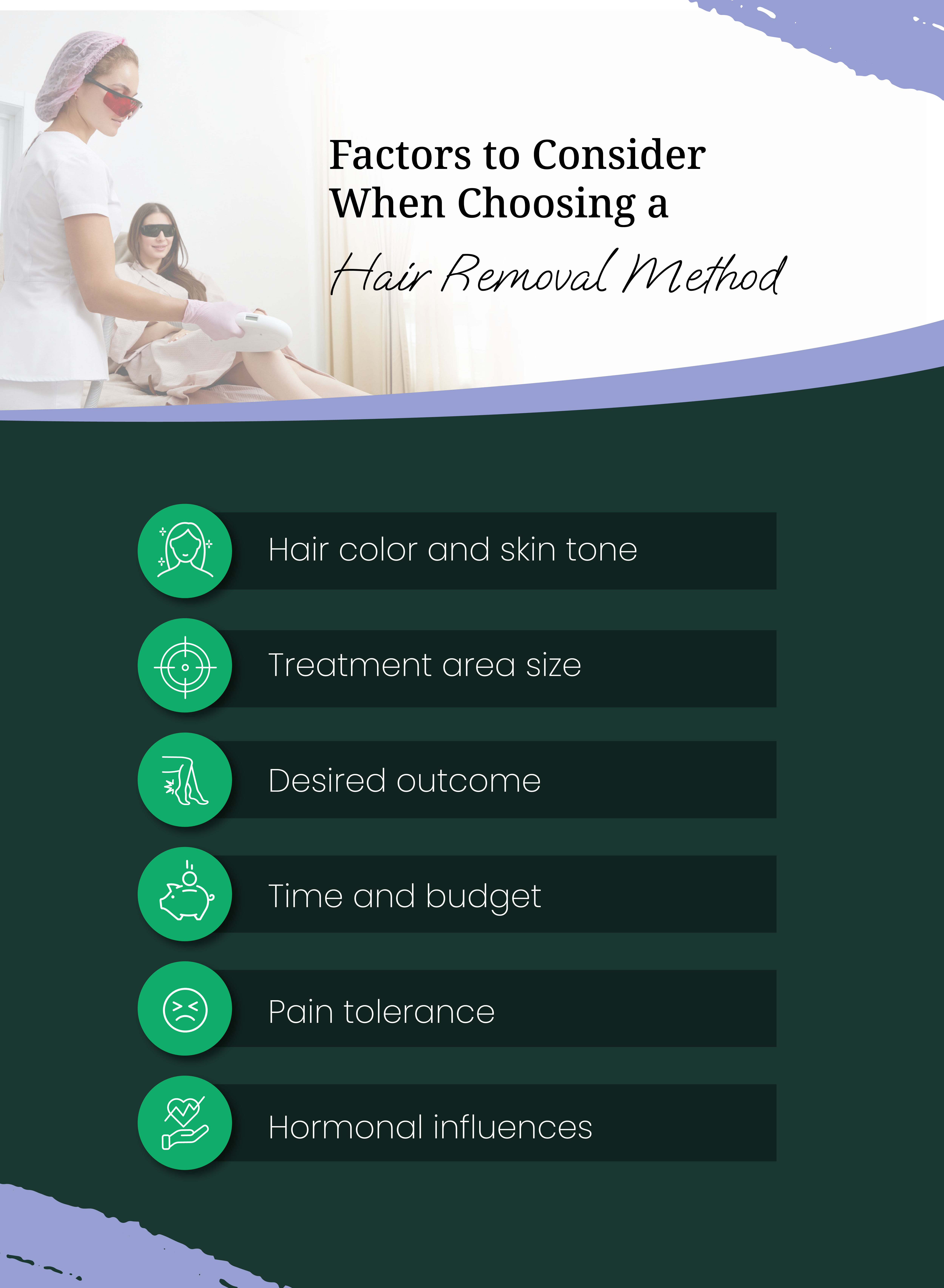
- Hair color and skin tone: More pigmented hair on lighter skin tones delivers better results with light-based hair removal methods. However, electrolysis is effective for all hair colors and skin types.
- Treatment area size: If you want to treat large areas, like your legs, back or chest, light-based methods may be more efficient. For smaller areas, such as eyebrows or isolated coarse hairs, choose electrolysis.
- Desired outcome: If you want to permanently remove hair in a specific area, electrolysis is the answer. IPL or laser hair removal only impacts long-term growth and density reduction.
- Time and budget: All hair removal methods require multiple sessions, and costs vary depending on method, size of the area and the number of sessions you need. Typically, eight to ten sessions deliver the best results with laser hair removal.
- Pain tolerance: Individual pain tolerance varies, and there is no guaranteed pain-free way to permanently remove hair, but modern techniques and numbing agents can mitigate discomfort. Discuss typical sensations with your provider to clarify. Laser hair removal often feels like a rubber band hitting your skin repeatedly.
- Hormonal influences: For those with hormonal conditions causing excessive hair growth, like polycystic ovary syndrome (PCOS), a multi-faceted approach may be best. It will also require consistent treatment with methods such as electrolysis to manage growth.
Preparation and Aftercare for Hair Removal
To maximize results and minimize your risks, you need to properly prepare and follow diligent aftercare. These steps are more than recommendations — they are essential parts of a successful hair removal journey.
Before treatment:
- Avoid sun exposure: Tanning, whether from natural sunlight or tanning beds, increases melanin production in your skin. This makes it more susceptible to absorbing light energy intended to target the hair follicle, increasing the risk of blistering and burns.
- Shave the area: Only shave if advised, especially for laser and IPL. Shaving removes the hair above the skin surface but leaves the follicle intact, allowing the laser or IPL to focus its energy without being absorbed by surface hair.
- Skip waxing or plucking: The follicle must stay intact for light-based removal. Laser and IPL technologies need the follicle to effectively absorb the light energy and be damaged.
- Keep the skin clean: Avoid using lotions or oils in the treatment area on the day of your appointment. Avoid ingredients like retinoids or alpha hydroxy acids for a few days prior, as they increase your skin's sensitivity.
- Inform your provider: Certain medications, including antibiotics, Accutane and photosensitizing drugs, can increase skin sensitivity to light. Let your provider know exactly which medications you are taking before treatment starts.
After treatment:
- Use gentle skincare products: Your skin may be sensitive after treatment. Use mild, fragrance-free cleansers and moisturizers. Avoid harsh exfoliants, retinoids or strong active ingredients for several days.
- Apply sunscreen: Protect treated areas from sun damage by using a broad-spectrum SPF and keeping them covered from direct sunlight.
- Avoid heat exposure: Avoid activities that raise your body temperature or expose your skin to heat, such as saunas or hot showers. Heat can exacerbate redness, swelling and irritation in the first few days post-treatment.
- Stay hydrated: Drink plenty of water to help your skin recover from the treatment and maintain its health.
- Follow provider instructions: Each treatment plan is tailored to your skin type, treatment areas and the method used. Following these instructions is crucial for optimal healing and results.
You may notice some short-lived side effects after laser or IPL treatment. These include temporary redness, mild swelling, skin sensitivity, slight pigment changes and rarely, some blistering. This side effect can only happen if the treatment is done incorrectly.
After electrolysis, you may see immediate redness and mild swelling, with a slight burning sensation or tingling. Pinpoint crusts and scabs are less common, but avoid picking at them if they do occur. Although electrolysis aims to prevent hair growth, ingrown hairs can occur as your skin heals, especially on coarser hair. Gently exfoliating the area after the initial healing period can help.
The Importance of Expert Guidance
Permanent hair removal works best when the method matches your skin and hair type. The right choice depends on your personal goals and how much time you can commit to the process.
Skill and experience are paramount. In inexperienced hands, hair removal can be risky, leading to potential burns, permanent skin discoloration or scarring. This is why partnering with a qualified provider at a reputable medical aesthetics clinic is crucial.
An expert will conduct a thorough evaluation of your unique skin and hair, discuss your aesthetic goals and meticulously craft a personalized treatment plan that aligns with your hair growth cycles. Their professional guidance ensures treatments are not only safe and effective but also optimally tailored to your physiology, transforming your hair removal journey into a strategic partnership that delivers greater satisfaction and lasting peace of mind.
With this expert approach, you can achieve lasting results and significantly reduce the need for ongoing hair removal.
Related Posts