Dermal fillers are one of the most popular aesthetic treatments today. Millions of people use this treatment, and the growing global market — expected to rise by 8% annually from 2026 to 2035 — is a good indication of how many people find it beneficial.
Unfortunately, misinformation and outdated stereotypes still cause hesitation for many people. This guide will separate fact from fiction, explain how fillers work and show you how expert providers deliver subtle, natural-looking results that help you look — and feel — like your best self.
Understanding Dermal Fillers — What They Really Do
When considering dermal filler injections, it’s important to understand what they are, how they work and why they’re so widely used in modern aesthetics.
What Are Dermal Fillers and Why Consider Them?
Dermal fillers are injected under the skin to rebuild facial structure, blur lines and wrinkles and improve facial contours. They are mostly made from hyaluronic acid, a substance naturally found in the body. Common areas for dermal fillers are:
- Nasolabial folds — smile or laugh lines that run from the sides of the nose to the corners of the mouth.
- Lips and marionette lines — wrinkles that run vertically from the corners of the mouth down to the chin.
- Cheeks — the midface from the lower eyelid, the cheekbone and lower jaw.
- Chin and jawline — the chin area and lower border of the jawbone extending laterally from the chin.
- Full face — to naturally restore depleted areas and the natural contour of the face.
How Do They Work?
Your dermal filler experience starts with a consultation with your provider. They will aim to help you feel comfortable throughout the treatment using the most appropriate techniques for your individual needs — sometimes, this may involve ice or other distraction techniques.
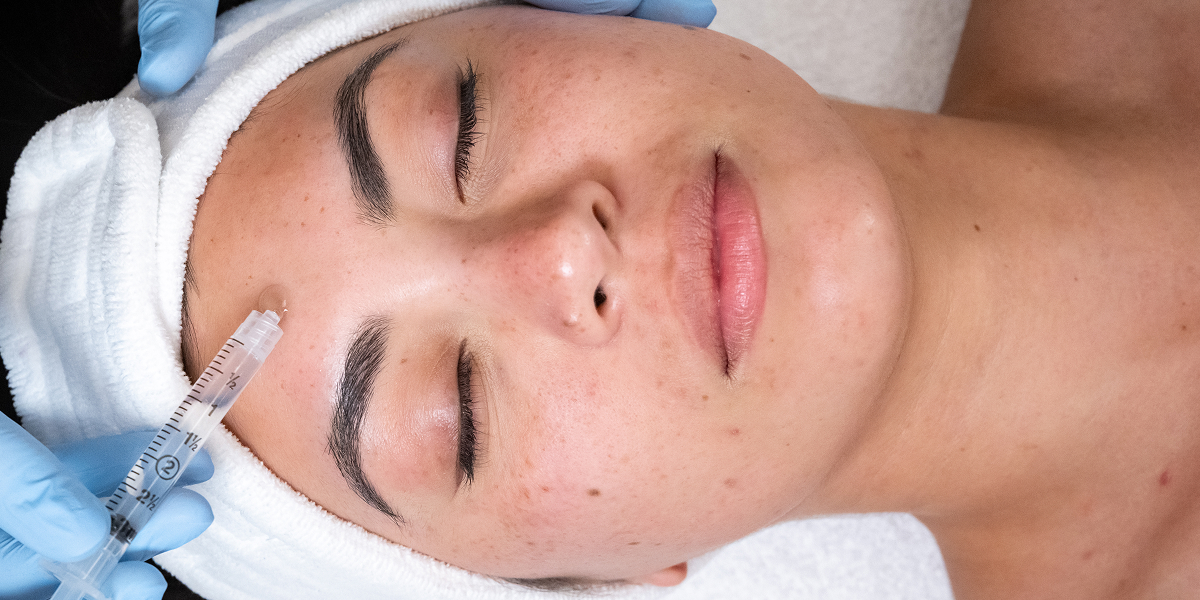
Using a fine needle, the provider performs dermal filler injections into the target areas. The skin appears refreshed as the hyaluronic acid in the filler draws in water.
FDA-Approved Uses and Safety
When correctly used, dermal fillers are safe. They are approved for moderate to severe facial wrinkles and contour correction. Fillers can be used by adults aged 22 and older. Only fillers approved by the U.S. Food and Drug Administration (FDA) should be used by licensed, experienced providers. Fillers are temporary and naturally absorbed by the body over time.
Top Myths About Dermal Fillers — And the Real Facts
Despite their popularity, dermal fillers are surrounded by persistent myths. Let’s set the record straight with the facts.
Myth 1: Fillers Always Look Fake
When performed by skilled providers, natural-looking fillers enhance your natural features and are virtually undetectable. Natural-looking outcomes are achieved through skilled technique and careful attention to each client's individual anatomy and goals.
Myth 2: Fillers Are Permanent
Dermal fillers, if composed of hyaluronic acid, are not permanent. Hyaluronic acid is naturally found in the body, so it can dissolve over time. If patients do feel the need to have their filler reversed, a provider can use hyaluronidase, which is an enzyme that breaks down hyaluronic acid.
However, proper preparation, realistic expectations and an experienced provider can significantly decrease the likelihood of a patient wanting their filler dissolved.
Myth 3: Fillers Are Unsafe or Painful
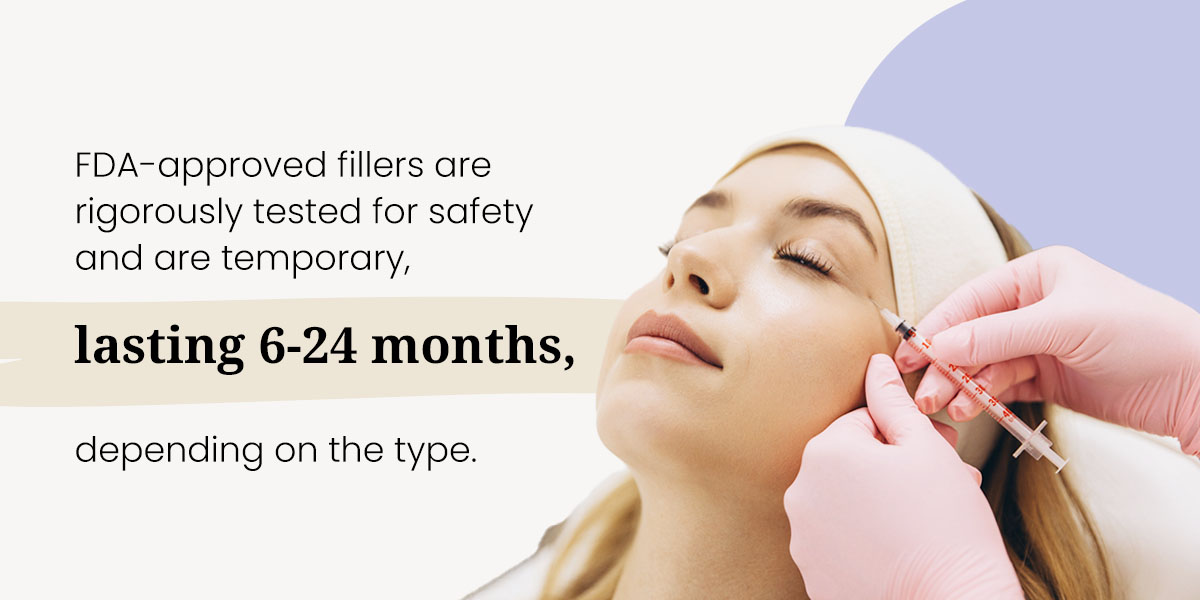
FDA-approved fillers are rigorously tested for safety and are temporary, lasting six to 24 months, depending on the type. The FDA has not approved over-the-counter dermal fillers or needle-free devices for injecting dermal fillers, as these come with serious adverse effects.
Most patients experience only mild discomfort, thanks to numbing agents and fine needles. Serious risks are unlikely when fillers are administered by trained professionals.
Myth 4: Only Older Adults Get Fillers
Many younger adults use fillers preventatively to maintain youthful skin and address early signs of aging. Fillers and flips can also enhance features like lips or cheeks at any age. A lip flip relaxes the upper lip using neuromodulators like BOTOX®, resulting in lip "flipping" and giving a fuller appearance.
Myth 5: Anyone Can Inject Fillers
A safe, natural-looking filler is the result of the expertise of licensed, experienced providers with deep knowledge of facial anatomy. Do-it-yourself (DIY) or unlicensed injections are dangerous and can cause serious complications like filler migration. This happens when fillers move from the injection site to another area of the face, resulting in an unnatural or uneven appearance.
The Science of Natural-Looking Fillers
Achieving a refreshed, natural look with fillers is an art and a science. Here’s how expert providers ensure subtle, beautiful outcomes:
- “Less is more” philosophy: Modern trends favor subtle enhancements over dramatic changes. Gradual, conservative treatments prevent an overfilled appearance.
- Facial balance and proportion: Providers assess your unique facial structure to maintain harmony and symmetry. In this way, fillers are used to restore facial proportions and enhance features without altering your natural look.
- Provider expertise: The injector’s skill is the most important factor in achieving natural results. Personalized treatment plans are based on your goals, anatomy and lifestyle.
What to Expect — Your Dermal Filler Experience
Knowing what to expect can help you feel confident and comfortable throughout your dermal filler journey.
Consultation Process
You will start with a thorough assessment of your facial structure, skin and goals. This is when your provider will recommend the best filler type and placement for your needs.
Custom Treatment Planning
Every plan is tailored to your unique features and desired outcome. Your provider will explain the process, expected results and how to take care of your skin after the treatment.
During Treatment
The area is cleansed and a numbing agent is applied for comfort. Fillers are then injected with precision using fine needles. The treatment usually takes less than 30 minutes.
Aftercare and Safety
Some mild swelling or bruising is common and usually resolves within days. Your provider will give you detailed aftercare instructions and will be available for follow-up and to answer any additional questions.
Who’s a Good Candidate for Dermal Fillers?
Fillers are versatile, but not everyone is an ideal candidate. Here’s what to consider:
- Ideal candidates: Adults in good general health with realistic expectations, who would like to rebalance facial proportions, smooth lines or enhance facial features are excellent candidates for dermal fillers.
- When fillers may not be recommended: If you are pregnant or breastfeeding or have certain allergies, autoimmune conditions or bleeding disorders, you should speak to your provider about dermal filler treatments.
FAQs About Dermal Filler Myths
Still have questions? Here are answers to the most common concerns about dermal fillers:
- How long do results last? Most fillers last six to 24 months, depending on the product and area treated.
- Can fillers be reversed? Hyaluronic acid fillers can be dissolved if needed, offering peace of mind.
- Are dermal fillers safe? Yes, FDA-approved dermal fillers are safe when administered by certified providers. While you may experience mild swelling, bruising or redness following the treatment, this is not serious and will disappear in a few days.
- How do I choose the right provider? Look for licensed medical professionals with certification and extensive experience in facial aesthetics.
Ready for Natural-Looking Results? Book Your Consultation With SkinSpirit

If you’re ready to explore subtle, beautiful enhancements, SkinSpirit’s expert team is here to guide you every step of the way.
Our industry-leading providers are passionate about ongoing education and commitment to safety. You can expect personalized, supportive care in a welcoming, spa-like environment.
Schedule a free consultation to discuss your goals, receive a custom treatment plan and experience the confidence that comes from looking — and feeling — like the truest expression of yourself.
Related Posts