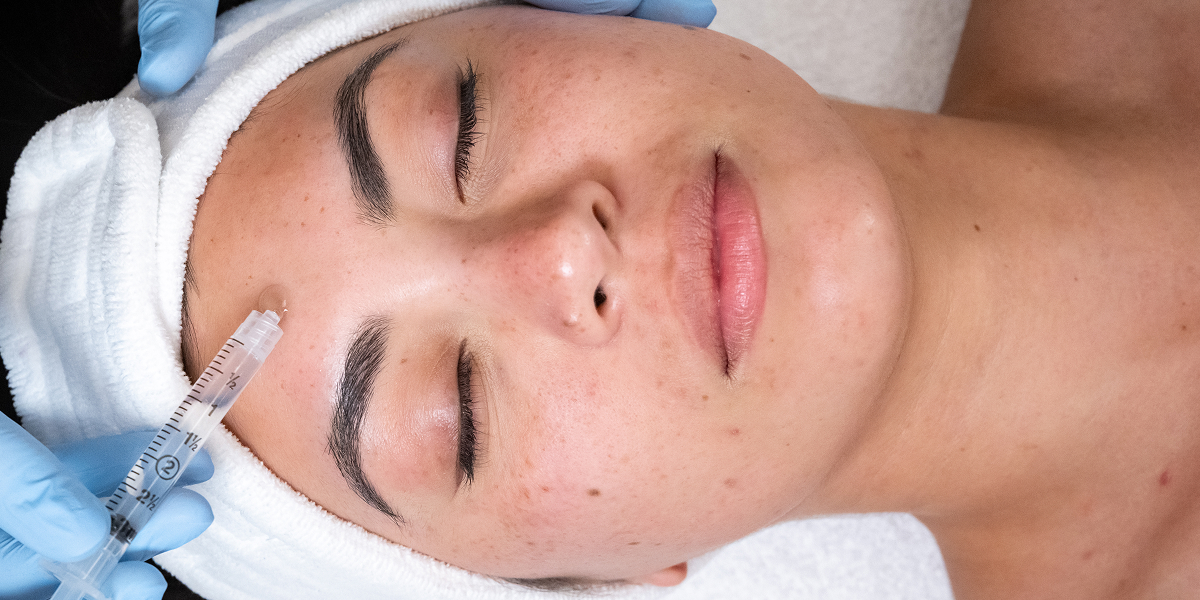
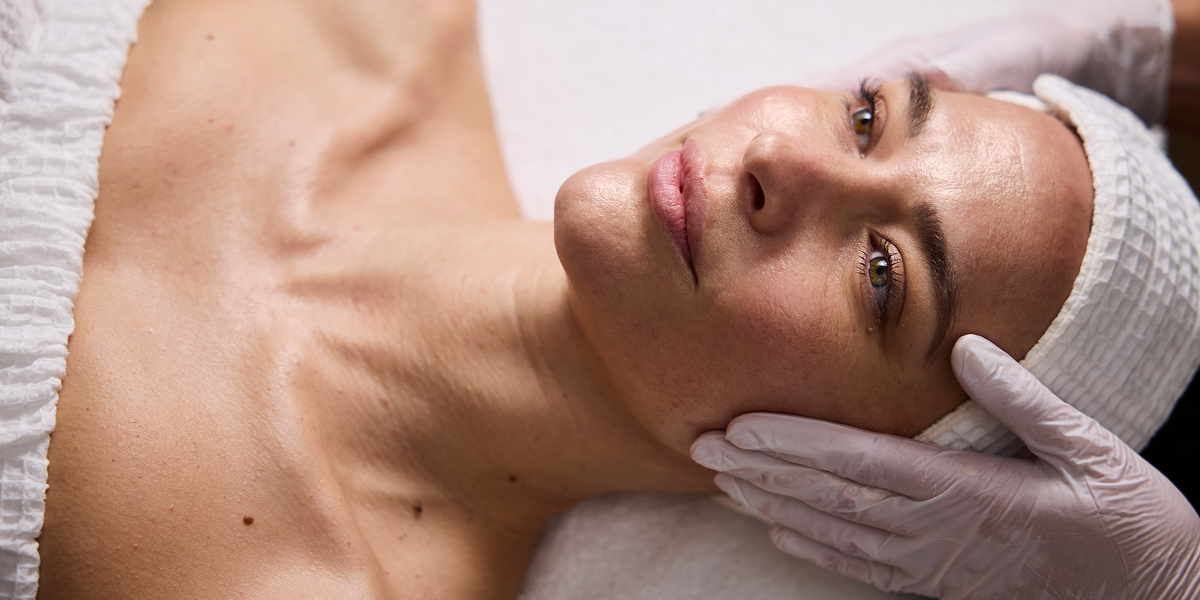
Microdermabrasion is a deep, medical-grade physical exfoliation that vacuums away dead skin cells from the epidermis, which then helps promote the growth of new and healthy skin cells. It also:
- improves skin tone and texture;
- helps reduce superficial scars;
- minimizes blotchy skin;
- and fights off unwanted signs of aging.
Microdermabrasion is safe and effective for most skin types and tones. This treatment is non-invasive, pain-free and requires zero downtime.
Clients report that their skin glows and looks younger only after one treatment! Long-term results are much more likely when microdermabrasion treatments are completed in a series.
Microdermabrasion is especially popular among clients looking for an instant refresh with minimal commitment. Because it focuses on surface-level exfoliation, it’s often recommended as part of a consistent skin care maintenance routine. Many clients choose microdermabrasion ahead of special events or as a complement to other professional treatments to help enhance overall skin clarity and radiance.
What is a chemical peel?

Chemical Peels, like microdermabrasion, are used to treat:
- fine lines and wrinkles;
- discoloration caused by sun damage;
- reduce the appearance of superficial scars;
- clear up breakouts;
- and improve the overall look and feel of the skin.
The biggest difference between the two treatments is how the dead skin cells are removed from the skin. A chemical peel is a form of chemical exfoliation that uses a chemical solution to dissolve the connection that holds dead skin cells together on the epidermis. The dead skin cells then shed or flake off, revealing smoother and healthier skin underneath. Even though clients report that their skin looks noticeably brighter, more even and smoother after only one treatment, a series of treatments is recommended for long-term results.
At SkinSpirit, we offer two different types of chemical peels: peeling treatments and resurfacing treatments.
Resurfacing treatments mildly stimulate the production of new, healthy skin with little or no downtime. These treatments can range anywhere from light to gentle in strength, making them a great option for a first-time peeler or sensitive skin types who want to treat aging, oily or hyper-pigmented skin. With a resurfacing treatment, clients may experience minimal flaking to none at all.
Peeling treatments penetrate the skin deeper, treating skin conditions more aggressively than a resurfacing treatment. These treatments are designed to exfoliate thick, oily and acne-prone skin along with treating stubborn hyperpigmentation, visible sun damage and collagen depletion. With peeling treatments, clients can expect some downtime with mild to moderate shedding of the skin.
Key Differences: Microdermabrasion vs. Chemical Peels
When comparing microdermabrasion vs. chemical peel treatments, the most significant distinctions lie in depth, customization and intensity. Microdermabrasion focuses on surface-level exfoliation, while chemical peels can be adjusted to work more deeply within the skin, depending on your goals and skin condition.
Microdermabrasion is ideal for clients who want instant brightness, smoother texture and a refreshed glow with no downtime. Because it only targets the outermost layer of skin, it’s often recommended as part of a regular maintenance routine and pairs well with other professional skin care treatments.
Chemical peels, on the other hand, offer more flexibility. From gentle resurfacing treatments to more profound peeling, chemical peels can address concerns beyond surface texture. The ability to customize peel strength makes this option highly effective when performed by trained professionals.
Which Treatment Is Right for You?
Choosing between microdermabrasion and a chemical peel depends on your skin type, concerns and desired results. Microdermabrasion is often recommended if your goals include maintaining healthy skin, improving mild texture concerns or enhancing radiance before an event. It’s also an excellent option for those new to professional exfoliation treatments.
Chemical peels may be better suited for clients seeking to address more advanced concerns, such as uneven tone, breakouts or early signs of aging. If you’re seeking visible improvement over time, a customized series of chemical peels can deliver longer-lasting results when paired with medical-grade skin care.
The Importance of Professional Treatment
Professional expertise matters, especially when it comes to exfoliation. While at-home products can provide mild benefits, they cannot match the safety, effectiveness or customization of in-clinic treatments. Improper exfoliation can disrupt the skin barrier, cause irritation or worsen existing concerns.
At SkinSpirit, all microdermabrasion and chemical peel treatments are performed by trained aesthetic professionals who understand skin physiology, product formulation and treatment timing. Each service is tailored to your skin tone, condition and goals to ensure optimal results and a positive experience.
Results, Timing and What to Expect
Both microdermabrasion and chemical peels deliver visible improvements, but timing and outcomes vary. Microdermabrasion results are immediate, with skin appearing smoother and more radiant right away. Chemical peels may take several days to reveal full results, especially when shedding is involved.
Select Your Ideal Treatment at SkinSpirit

At SkinSpirit, we will help you determine the ideal treatment frequency and combination based on your skin’s response and your lifestyle needs. Contact us today and let us help you decide the best treatment.
Disclaimer: Information and content within this blog is provided for informational purposes only. This blog is not intended to provide medical advice, and anything read here should not be construed as such. Reading this blog or communicating with our staff does not create a physician-patient relationship. If you have questions about any health issue, including something you may have read here, please consult a licensed, trained physician or health professional immediately.
Related Posts